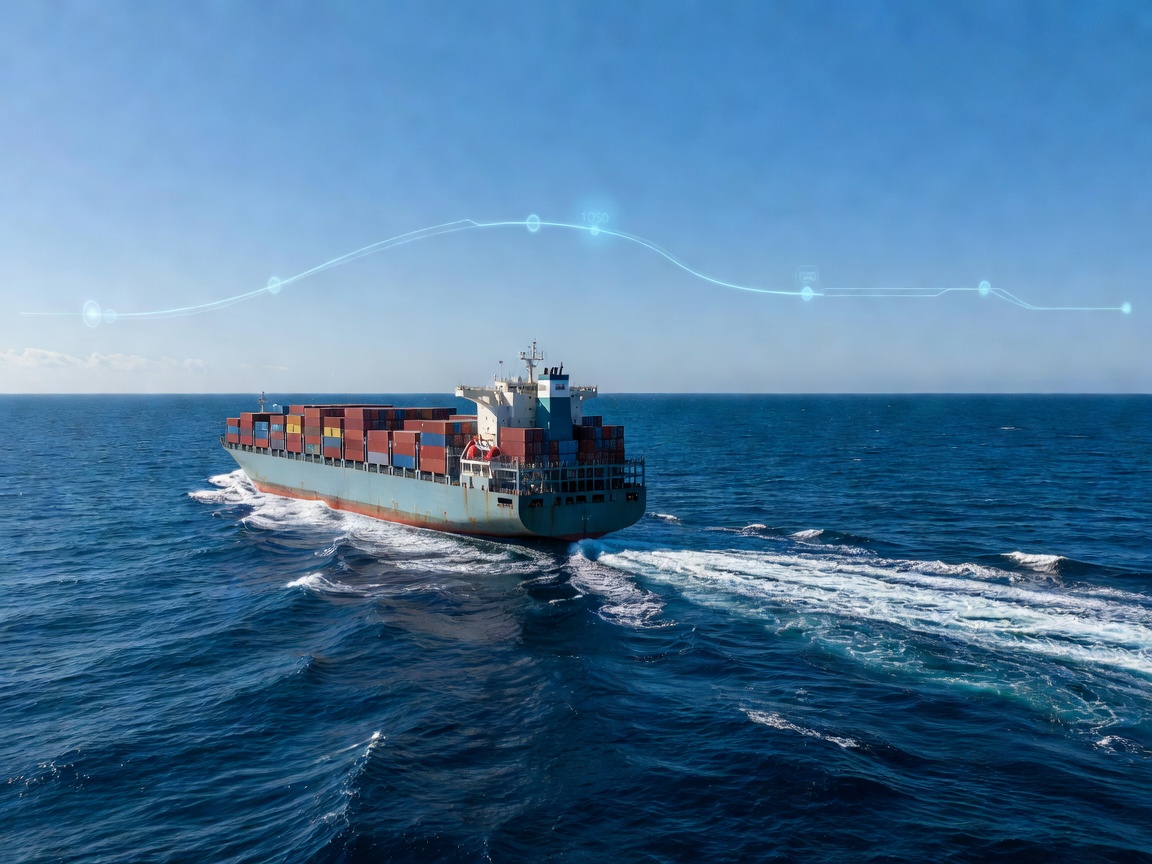
THE NAVIGATION PICTURE
Five connected questions.
One wider view.
AI navigation isn’t one magic button. It’s a collection of methods for helping crews make sense of complex information, with trade-offs worth understanding.
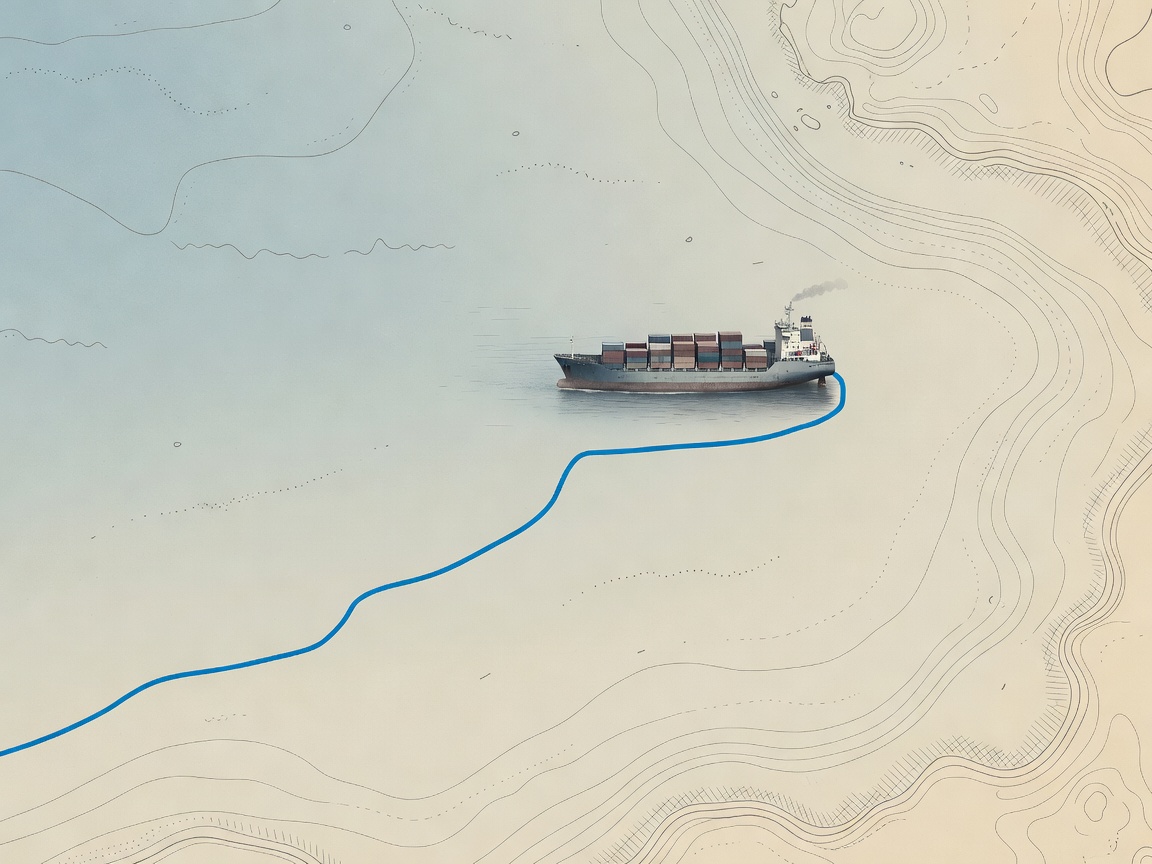 01 / PLANNINGIntelligent Route PlanningCompare voyage options, constraints and uncertainty without mistaking an optimized line for a guaranteed safe passage.Read the guide ↗
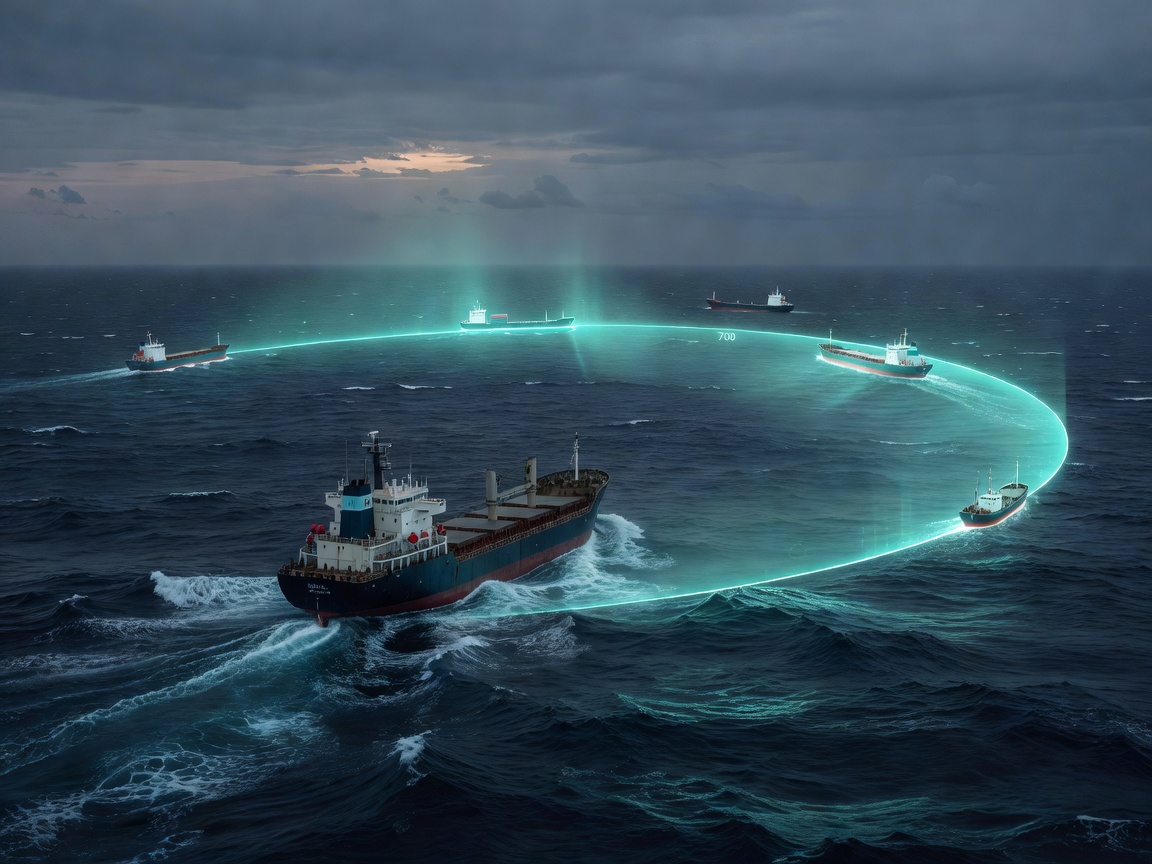 02 / PERCEPTIONObstacle DetectionUnderstand what sensors may detect, how risk can be assessed and where uncertainty remains.Read the guide ↗
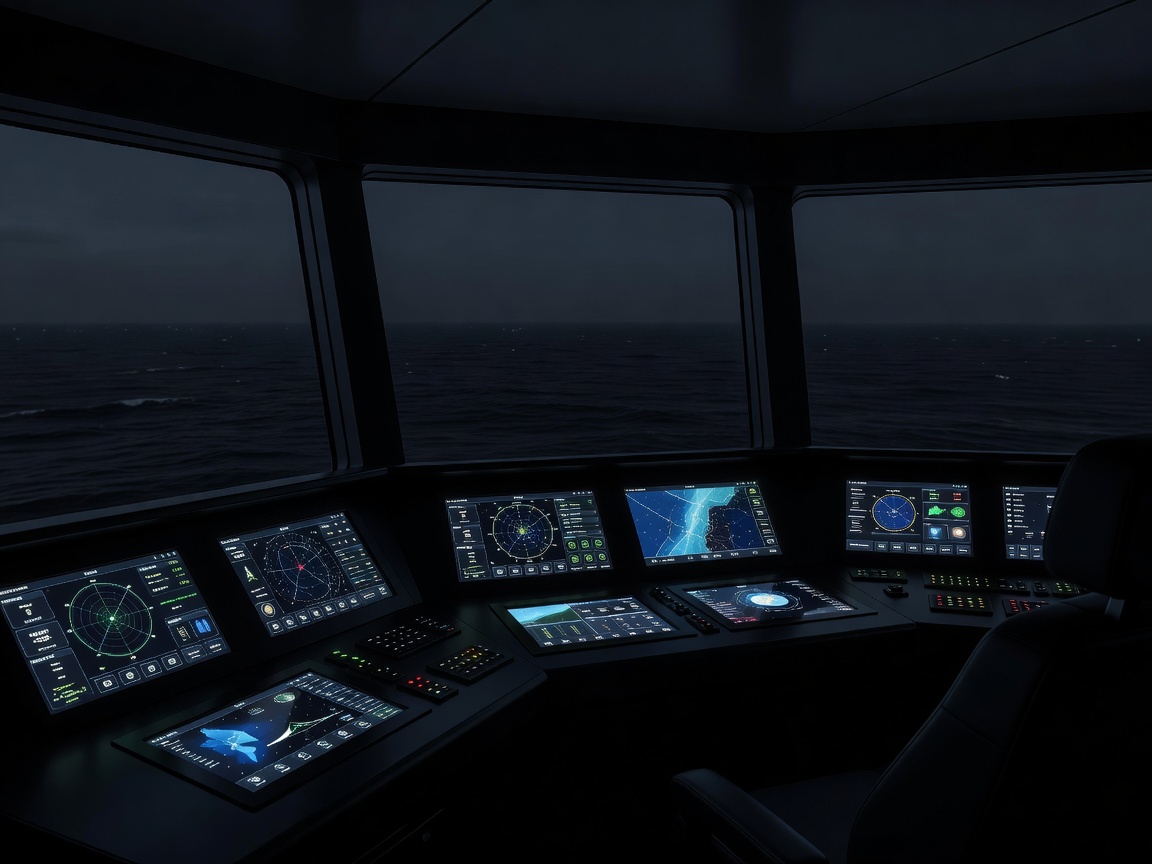 03 / CONTEXTMaritime Situational AwarenessTurn scattered observations into a useful, appropriately cautious picture of the surroundings.Read the guide ↗
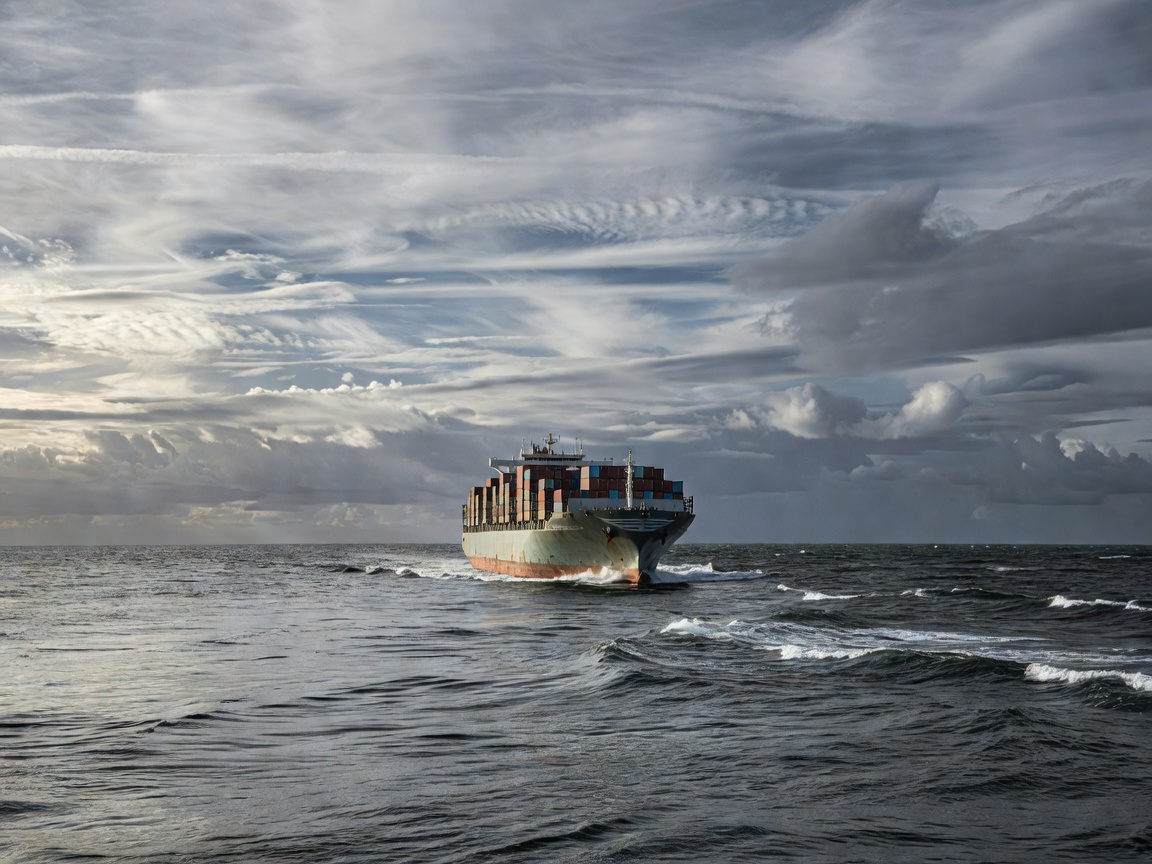 04 / ENVIRONMENTWeather-Aware NavigationConsider wind, waves, currents and forecast uncertainty alongside voyage priorities.Read the guide ↗
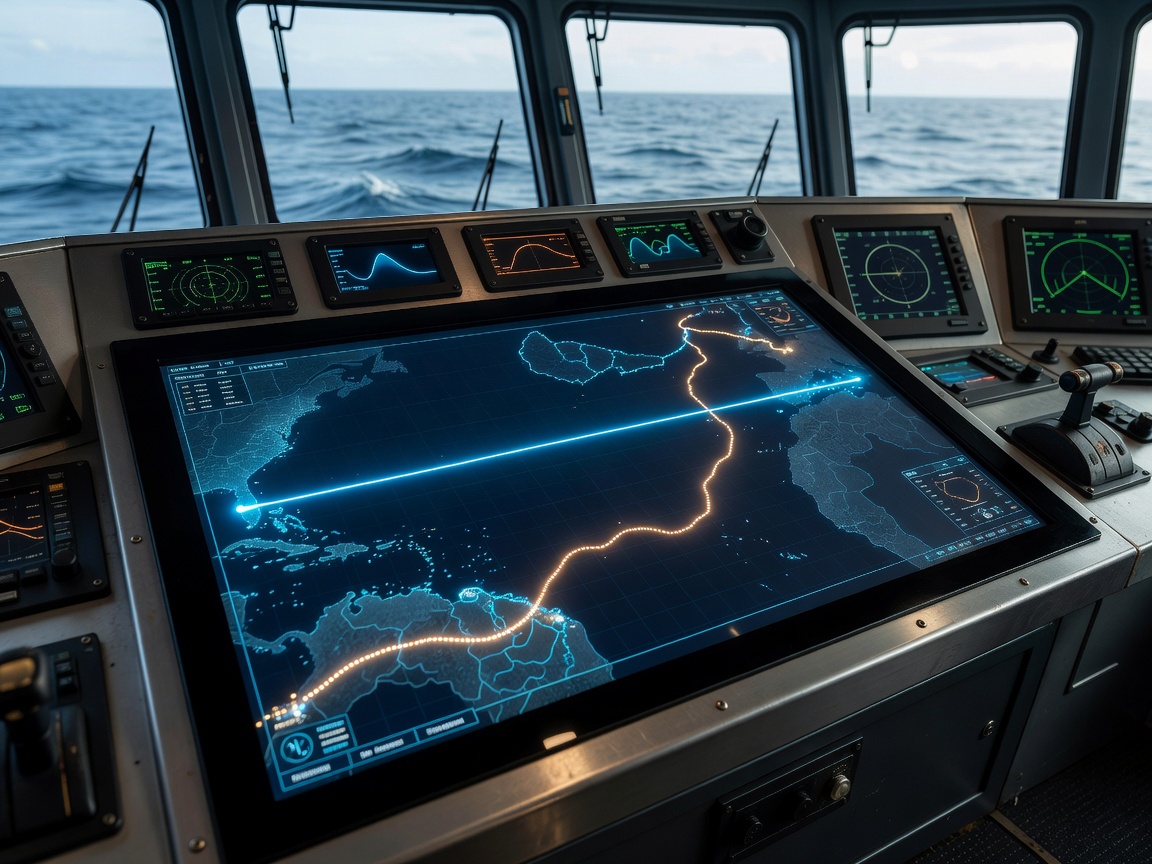 05 / HUMAN OVERSIGHTNavigation Decision SupportExplore how recommendations can inform, rather than take over, operational judgment.Read the guide ↗
A CONCEPTUAL WORKFLOW
From observations to options.
Different systems use different architectures. This simple sequence is a way to think about the work, not a specification for every vessel or product.
Illustrative sequence only. Available inputs, decision authority and system design vary. Operational decisions belong within the applicable vessel procedures and human-supervised systems.
THE IMPORTANT BIT
Helpful software still needs good questions.
AI-assisted navigation depends on the quality and freshness of its inputs, the conditions sensors can actually observe, and whether recommendations make their uncertainty legible. Integration, validation, cybersecurity and crew training aren’t footnotes; they’re part of the system.
These guides explain capabilities and limitations in plain language. They don’t provide live navigation, replace qualified maritime personnel or stand in for current nautical information and vessel procedures.
Read about human oversightNO LIVE SENSOR DATA